
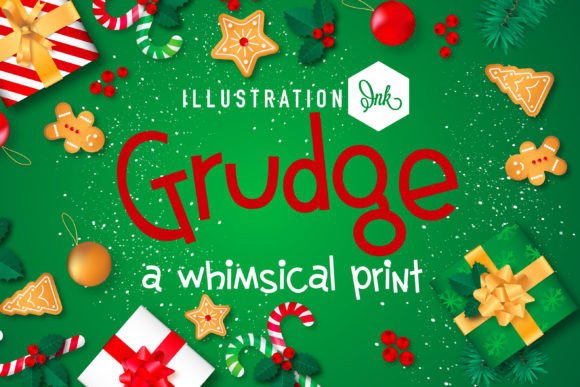
Introducing Grudge Font: A Whimsical Hand-Crafted Sans Serif
In the world of typography, fonts play a crucial role in conveying the tone and personality of a brand or design. Among the numerous font styles available, hand-crafted fonts have gained immense popularity for their unique and personalized touch. One such font that has caught the attention of designers and typography enthusiasts is the Grudge Font. In this article, we’ll explore the characteristics of Grudge Font, the concept of hand-crafted fonts, and their applications in various design projects.
What is Grudge Font?
Grudge Font is a hand-crafted sans serif font that exudes a whimsical and youthful vibe. As a sans serif font, it doesn’t have the small lines or flourishes at the ends of the letters, giving it a clean and modern look. However, the hand-crafted element adds a touch of personality and warmth to the font, making it perfect for designs that require a friendly and approachable tone.
📸 Preview Images


💡 Click on any image to view full size
The Charm of Hand-Crafted Fonts
Hand-crafted fonts, also known as handwritten fonts, are designed to mimic the look of handwriting. They are often used for invitations, greeting cards, and other items where a personal touch is desired. Handwritten fonts can be either formal or informal, making them versatile for various design projects. The charm of hand-crafted fonts lies in their ability to evoke emotions and create a connection with the reader.
Characteristics of Hand-Crafted Fonts
Hand-crafted fonts have several distinct characteristics that set them apart from other font styles. Some of the key features include:
- Unique letterforms: Hand-crafted fonts often have unique and irregular letterforms that give them a personal touch.
- Variations in line width: Handwritten fonts typically have variations in line width, which adds to their handmade feel.
- Emotional connection: Hand-crafted fonts can evoke emotions and create a connection with the reader.
Applications of Hand-Crafted Fonts
Hand-crafted fonts can be used for a variety of design projects, including:
- Invitations and greeting cards: Handwritten fonts are perfect for invitations and greeting cards, as they add a personal touch.
- Branding and packaging: Hand-crafted fonts can be used for branding and packaging designs to create a unique and memorable identity.
- Advertising and marketing: Handwritten fonts can be used in advertising and marketing materials to create a friendly and approachable tone.
Benefits of Using Hand-Crafted Fonts
Using hand-crafted fonts in design projects offers several benefits, including:
- Adding a personal touch: Handwritten fonts can add a personal touch to designs, making them more relatable and engaging.
- Creating a sense of nostalgia: Hand-crafted fonts can evoke a sense of nostalgia and create a connection with the reader.
- Standing out from the crowd: Handwritten fonts can help designs stand out from the crowd and create a unique identity.
Choosing the Right Hand-Crafted Font
With so many hand-crafted fonts available, choosing the right one for a design project can be overwhelming. Here are some tips to consider:
- Consider the tone and purpose: Choose a font that aligns with the tone and purpose of the design project.
- Legibility: Ensure that the font is legible and easy to read.
- Consistency: Use a consistent font throughout the design project to create a cohesive look.
Grudge Font: Access Download Now
| Font Name | Grudge Font |
| Author | Unknown |
| Download | Access Download Here |
Conclusion
Grudge Font is a wonderful example of a hand-crafted sans serif font that can add a touch of whimsy and personality to design projects. Hand-crafted fonts, in general, offer a unique and personalized touch that can make designs more relatable and engaging. By understanding the characteristics and applications of hand-crafted fonts, designers can make informed decisions when choosing a font for their next project.
Final Tips and Recommendations
When working with hand-crafted fonts, remember to:
- Experiment and have fun: Don’t be afraid to try out different fonts and combinations.
- Keep it simple: Avoid overusing hand-crafted fonts; use them sparingly to create a greater impact.
- Consider the audience: Choose a font that resonates with the target audience.
